
How to Spend a Weekend in Chiang Mai
Temples, night markets and northern Thai cuisine are just the beginning in this mountain city.
Chiang Mai is an entirely different ballgame to the buzz of Bangkok. A 75-minute flight from he capital or a direct connection from Singapore puts you in the foothills of northern Thailand, surrounded by centuries-old temples, some of the best food in the country and a creative scene that continues to grow. Even on a brief two day escape, you can explore some of its best parts.
Saturday morning: the Old City
Start inside the moat. Chiang Mai's Old City is a roughly square kilometre, enclosed by ancient walls and a tree-lined canal, and its temples are some of the finest in northern Thailand. Wat Phra Singh, near the western gate, houses the sacred Phra Singh Buddha image beneath a tiered roof of dark teak and gold - this is a good place to begin before the tour groups arrive.
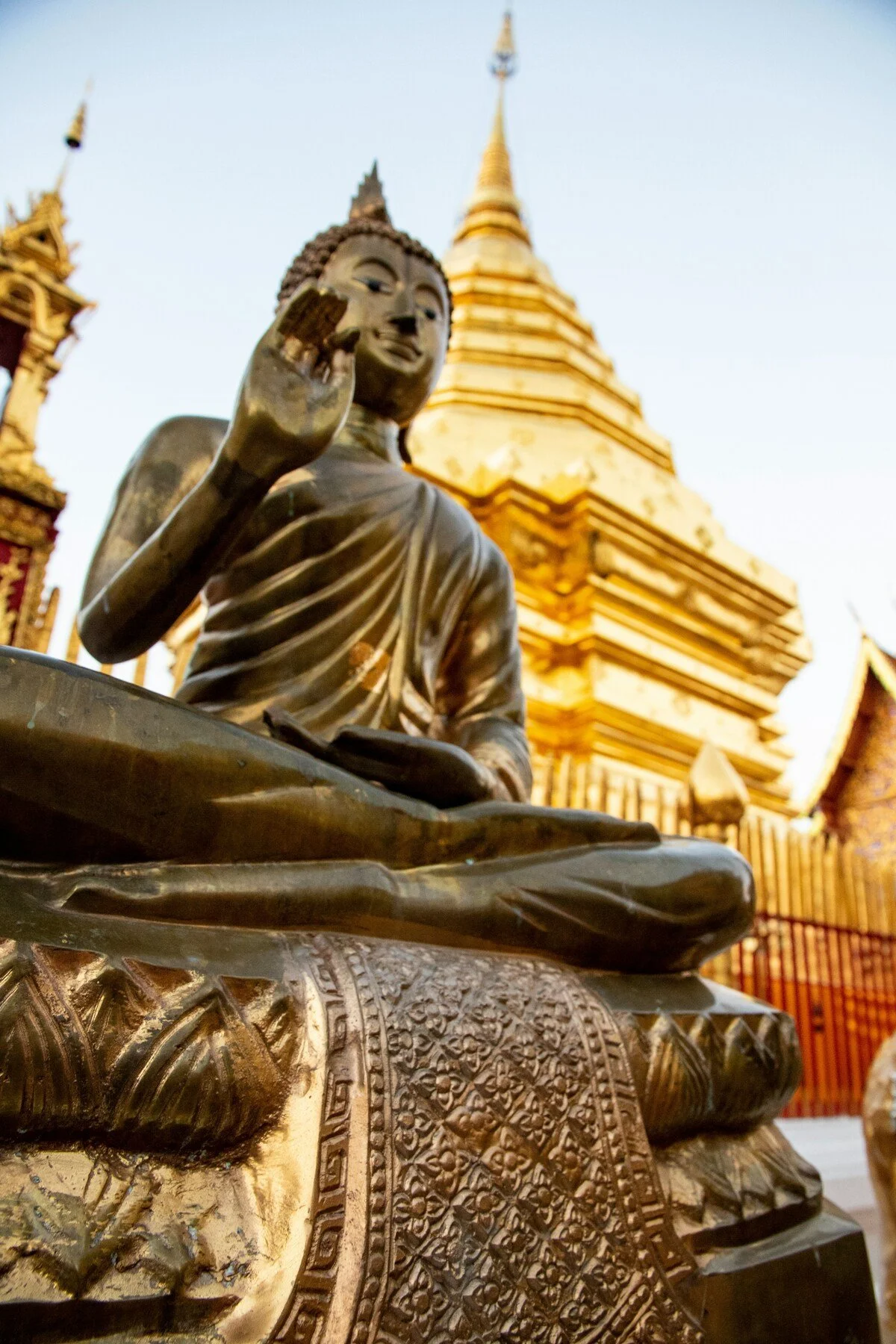
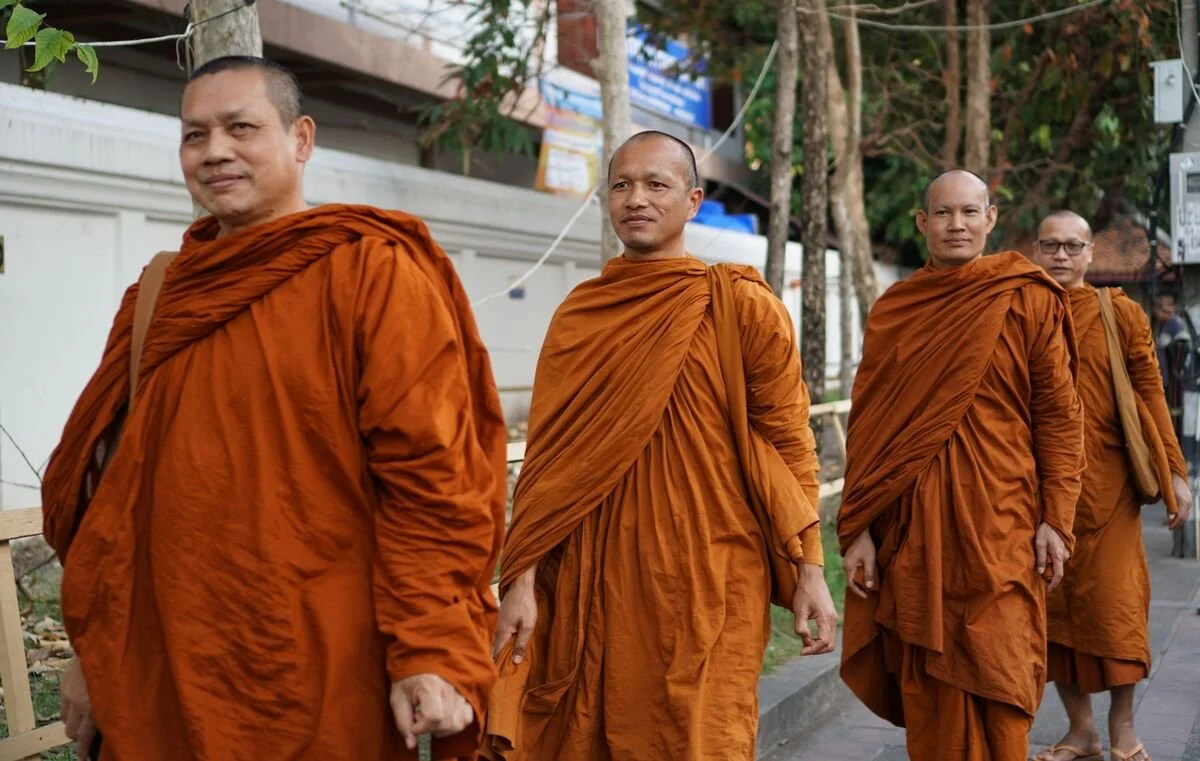
From there, walk to Wat Chedi Luang, a 14th-century temple dominated by a vast brick stupa that once held the Emerald Buddha. The temple runs a daily monk chat programme where visitors can sit with resident monks and ask anything from questions about Buddhism to life in the monastery.
Saturday afternoon: Nimman
A short songthaew ride from the Old City takes you to Nimmanhaemin Road, known locally as Nimman. This is where Chiang Mai's creative side is revealed: independent boutiques, galleries, design shops and some of the best specialty coffee in Southeast Asia. Ristr8to, run by a former world latte art champion, serves coffee that draws enthusiasts from across the region.
Before the evening’s activities, Baan Kang Wat is a small artist village tucked into the trees on the road up to Doi Suthep. Ceramicists, painters, weavers and woodworkers sell directly from their studios in a cluster of traditional Thai houses, and there's a cafe where you can take a quick breath before the next stop.
Saturday evening: Wua Lai Walking Street
Forget the Night Bazaar, Wua Lai Road is where you want to be on Saturday evening. This is the old silversmith district, and on Saturday evenings the road closes to traffic and the workshops open their fronts to the street. Stalls run for hundreds of metres selling handmade jewellery, lacquerware, woven textiles and ceramics alongside a selection of incredible street food.
Arrive around 5pm for first pick of the stalls and eat as you go - we’d recommend sampling sai ua (a type of northern Thai sausage), grilled pork skewers and classic mango sticky rice.
Sunday morning: Doi Suthep
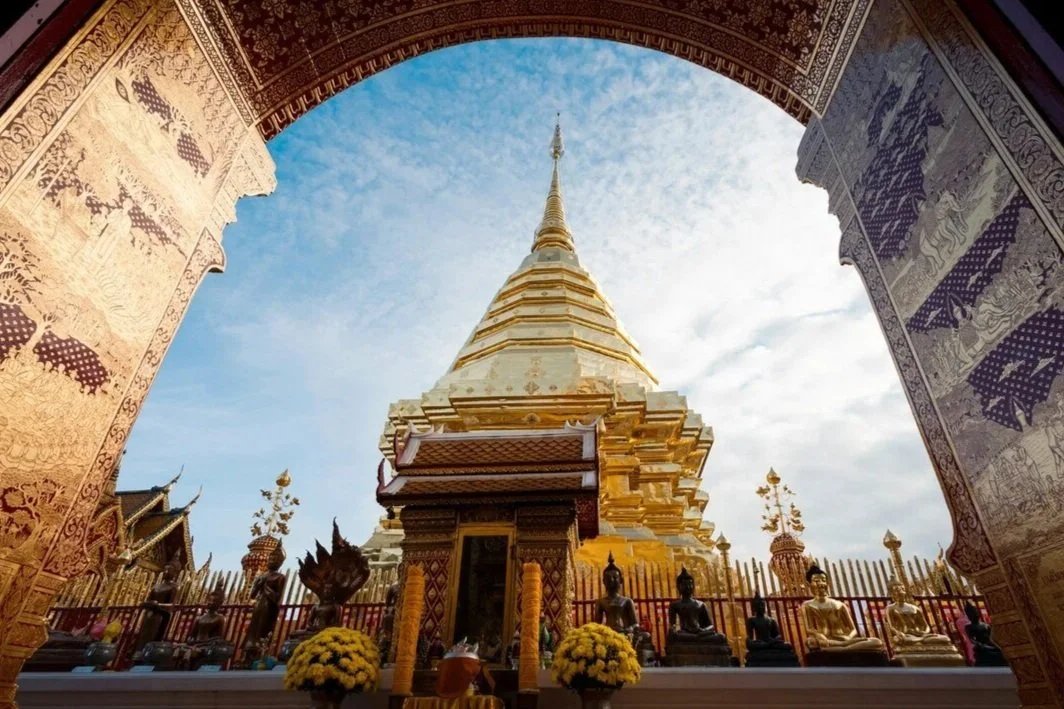
Get up early on Sunday and head to Wat Phra That Doi Suthep, the golden temple perched at 1,073 metres on the mountain above the city. The 300-step Naga staircase is the traditional approach, flanked by serpent balustrades, or there's a funicular if you'd rather save your knees.
At the top, a glittering chedi overlooks the valley and on clear mornings the views stretch as far as the city and the plains beyond. Go before 8am and you'll share the temple with more monks than tourists.
Sunday afternoon: Into the Hills
The countryside around Chiang Mai deserves at least half a day of exploration. If you choose just one excursion, try an ethical elephant sanctuary, where you can walk with and admire rescued elephants in their natural habitat rather than ride them. Book in advance and go with an operator that has a strong welfare-first policy (read: no riding).

A quiet options is Mae Kampong, a mountain village about an hour east of the city, built along a stream in the jungle with wooden houses on stilts, small cafes and homestays. It's a popular escape for Thais, but you may only spot a few other international visitors.
Sunday evening: Ratchadamnoen
The Sunday Walking Street takes over Ratchadamnoen Road from Tha Pae Gate and is the bigger, livelier sibling of the Saturday market. Temple courtyards along the route turn into open-air artisan stalls and performance spaces, with Lanna music and traditional dance from around 7pm.
For a special dinner, book ahead at one of the Michelin-noted restaurants in the city, or ask your hotel to arrange a khantoke dinner: a traditional Lanna communal meal served on a low round table, usually accompanied by dance performances and local music. It can be touristy at some venues but 137 Pillars and Anantara both offer more intimate, private versions.
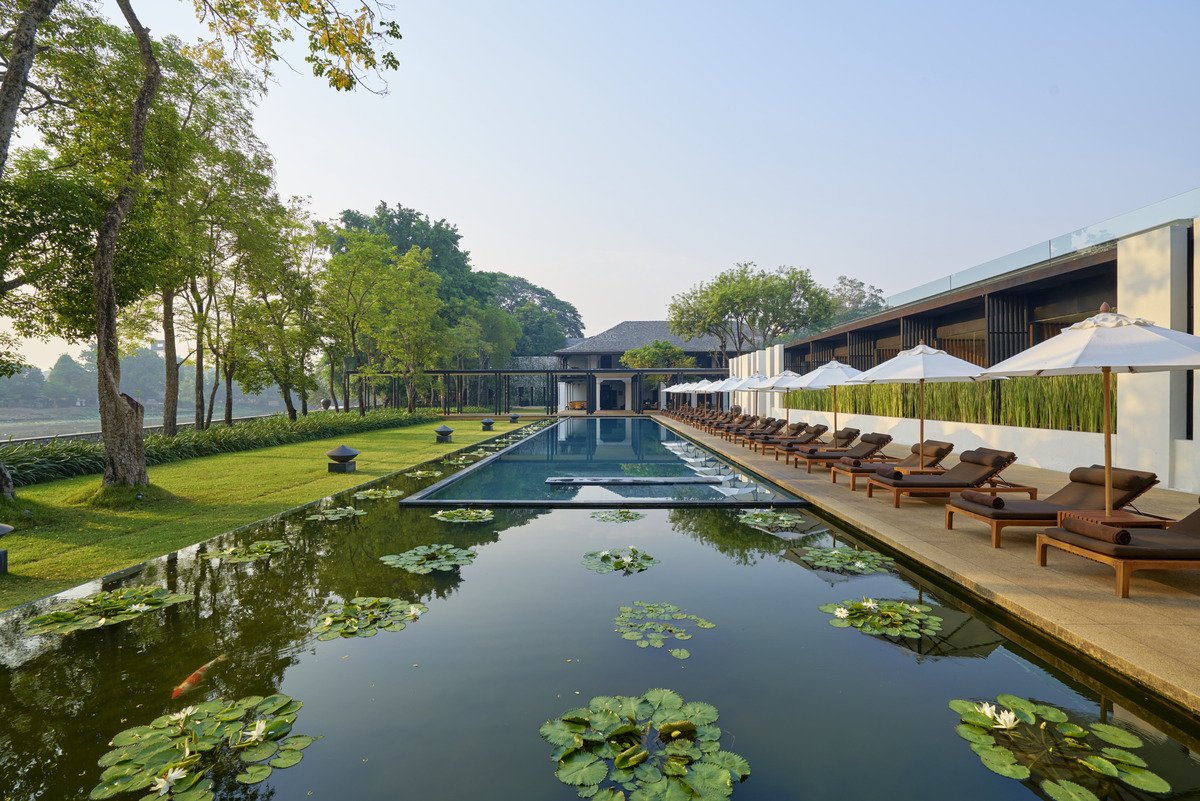
Image: Anantara
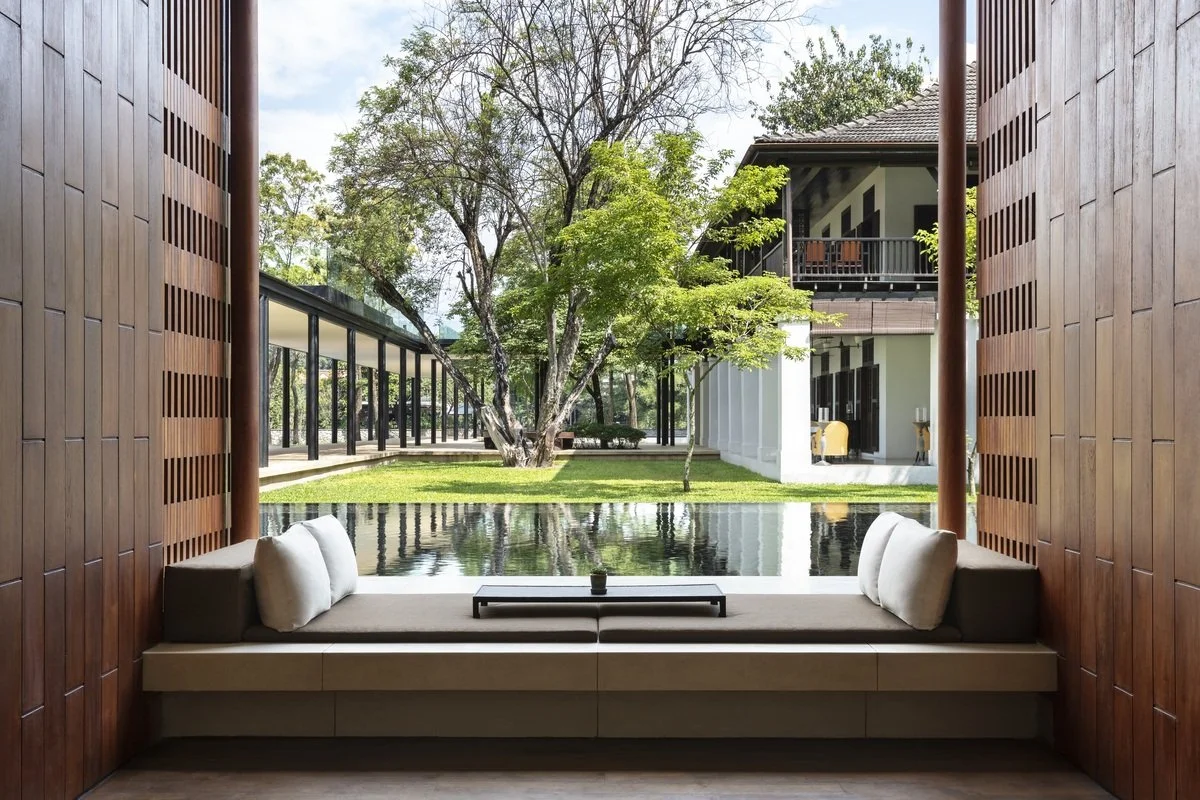
Image: Anantara
Where to stay
In the city, 137 Pillars House is a 30-suite boutique hotel set in a heritage teak mansion from the late 1800s, with personal butler service, four-poster beds and one of Chiang Mai’s most outstanding cocktail bars. Elsewhere, Anantara Chiang Mai, a brand whose reputation speaks for itself, sits on the Ping River with easy access to both the Old City and the Night Bazaar.
Outside the city, Four Seasons Chiang Mai occupies a rice paddy-surrounded estate in the Mae Rim Valley, about 30 minutes away, with a renowned cooking school that begins each class with a guided market visit.