Pick Your Paradise: A Guide to Thailand's Islands
From the established luxury of Koh Samui to the limestone serenity of Koh Yao Noi, here are five islands for every type of traveller.
Image: Four Seasons
Thailand has more than 1,400 islands scattered between the Gulf of Thailand to the east and the Andaman Sea to the west. Most visitors stick to two or three of the big names, but the range is vast: you can go from a curated tasting menu on Koh Samui to a fishing village on Koh Chang where the nearest cocktail bar is a boat ride away. Stuck on how to choose the right island? Let us help.
Koh Samui
Koh Samui has its own international airport with direct flights from Bangkok, Singapore and Hong Kong, which makes it one of the most accessible islands in Thailand. Chaweng on the east coast draws the biggest crowds, but the island has a very a different side you should seek out.
Fisherman's Village in Bophut, on the northern shore, is a row of converted wooden shophouses now home to boutique hotels, seafood restaurants and a buzzing night markte. But the west and south coasts are emptier still, with small coves where the only disturbance is your footprints in the sand.
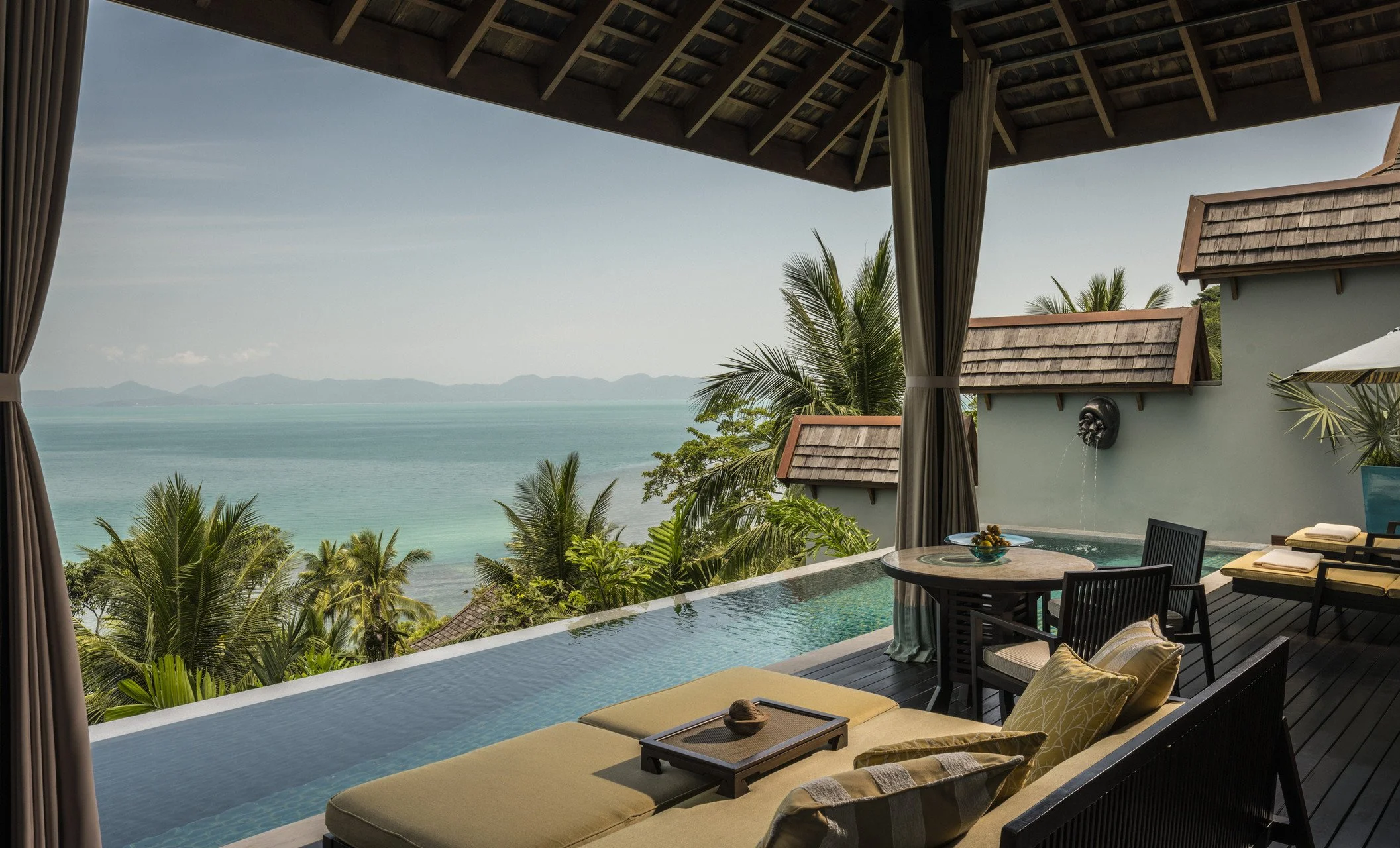
Image: Four Seasons
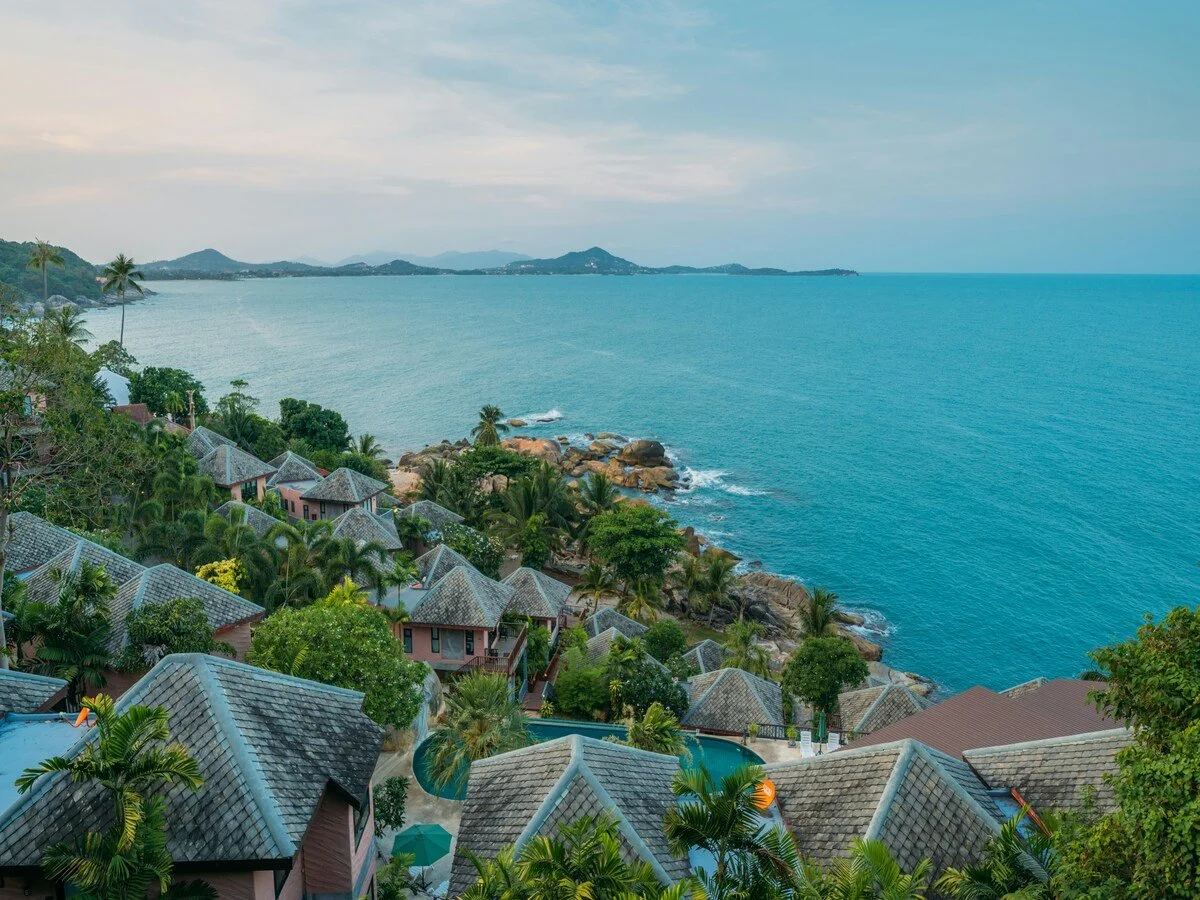
You’ll be spoiled for where to stay - Four Seasons Resort Koh Samui is a standout choice, occupying a private bay on the northwestern tip with hillside villas and an infinity pool that has appeared in countless magazine spreads.
Six Senses Samui sits on the northern headland with panoramic views across to Koh Phangan, while Anantara Bophut, not far from the Fisherman's Village area, is a smaller, more intimate stay with a strong Thai cooking programme and direct beach access.
And then there's Kamalaya, built around a cave that was used by monks for meditation long before it became one of Asia's most respected wellness retreats. The lodges are designed in local timber and stone, open to the elements and surrounded by banana trees and bougainvillea, and the programmes range from a weekend detox to a full multi-week reset.
Phuket
Thailand's largest island has a reputation that precedes it, and not always in a flattering way. Patong Beach is loud and crowded so venture further afield for the real Phuket. The west coast, south of Patong, is lined with calmer bays: Kata Noi, Nai Harn and Surin, where a day at a beach club won't come with thumping beats or tour groups.
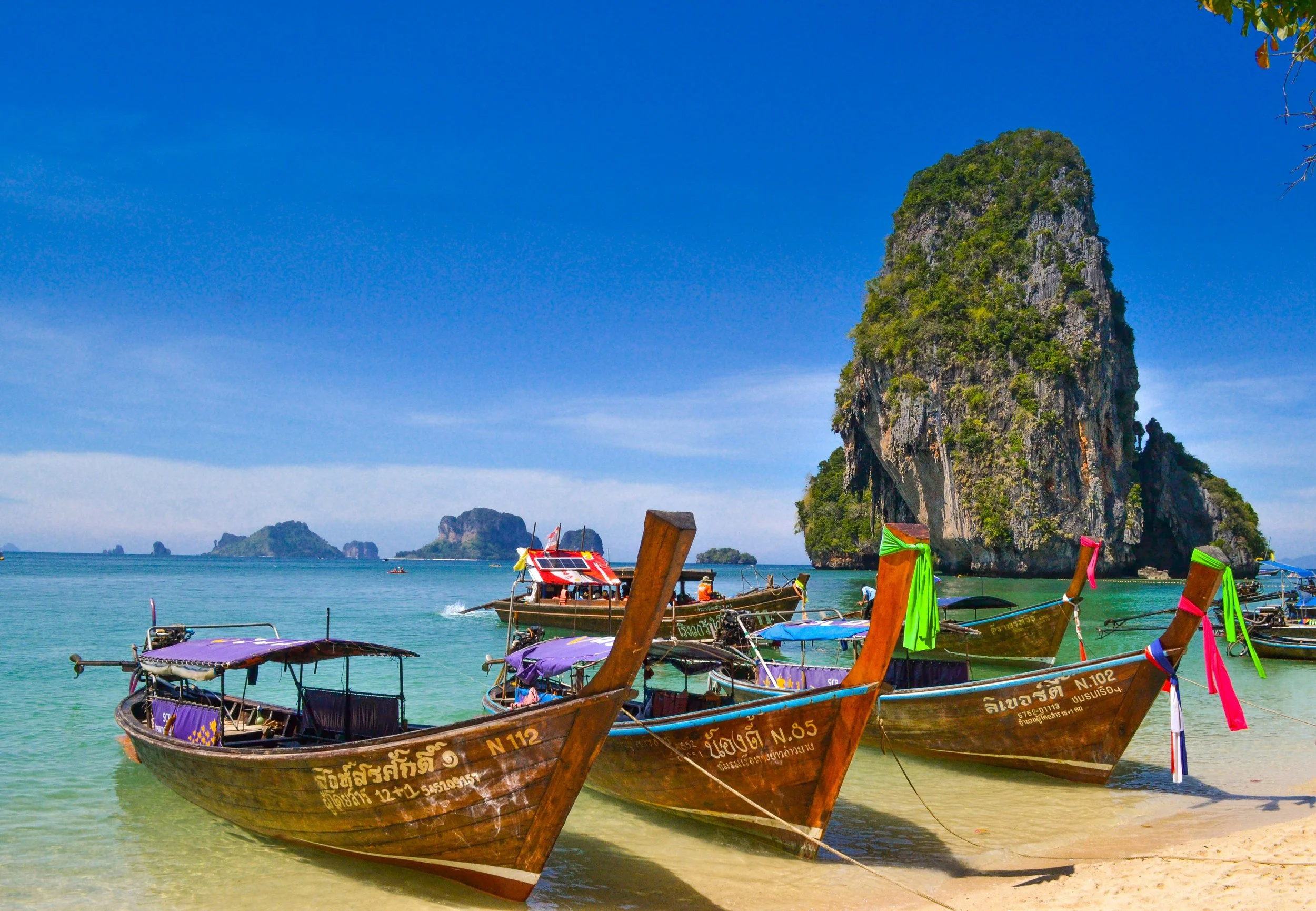
Phuket Old Town, inland from the west coast, is a grid of Sino-Portuguese shophouses painted in faded pastels, with indie cafes, galleries and small design studios occupying the ground floors.
Amanpuri, perched above Pansea Beach on the west coast headland, was the very first Aman resort when it opened in 1988. Teak villas climb the hillside above a crescent of golden sand.
On the eastern side of the island, COMO Point Yamu is another strong choice, overlooking Phang Nga Bay and the limestone karsts that have made this stretch of coastline famous.
Koh Yao Noi
Despite being just a 30-minute speedboat ride from Phuket, Koh Yao Noi could not be more different. This is a small island where the main roads are empty enough to cycle and you're as likely to encounter a water buffalo on the beach as another visitor.
The Rest Calm café in Pradu village is the perfect spot to order an iced tea and not move for the remainder of the morning, while the beaches face the same dramatic limestone karsts you can see from Phuket, but without the crowds.
For where to base yourself, Six Senses Yao Noi property comes out on top. It has 56 private pool villas built in teak and thatch, with a restaurant that grows much of its own produce in an organic garden.
Koh Lanta
South of Krabi on the Andaman coast, Koh Lanta stretches 30 kilometres from top to bottom, with long, wide beaches that get progressively emptier as you head south. There are no high-rises, no jet skis and no shopping malls.
Each morning begins as the fishing boats head out on the eastern shore, where stilt houses and small seafood restaurants line the waterfront.
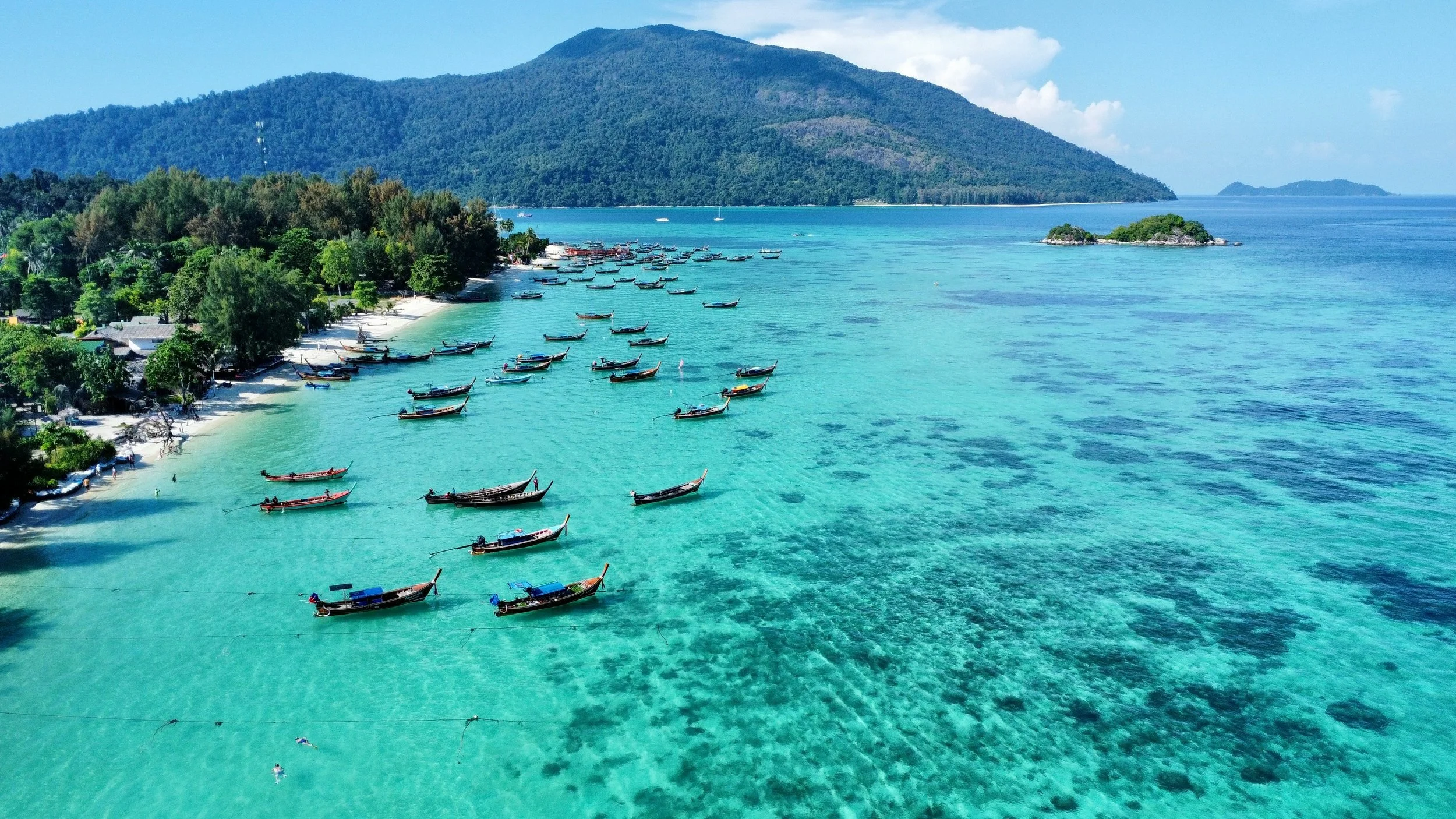
Check in to Pimalai Resort and Spa, Koh Lanta's first five-star hotel when it opened and still arguably its best, set on 900 metres of private beach at Ba Kan Tiang Bay in the island's south. It’s backed by rainforest and accessible only by boat or a winding jungle road.
Koh Chang
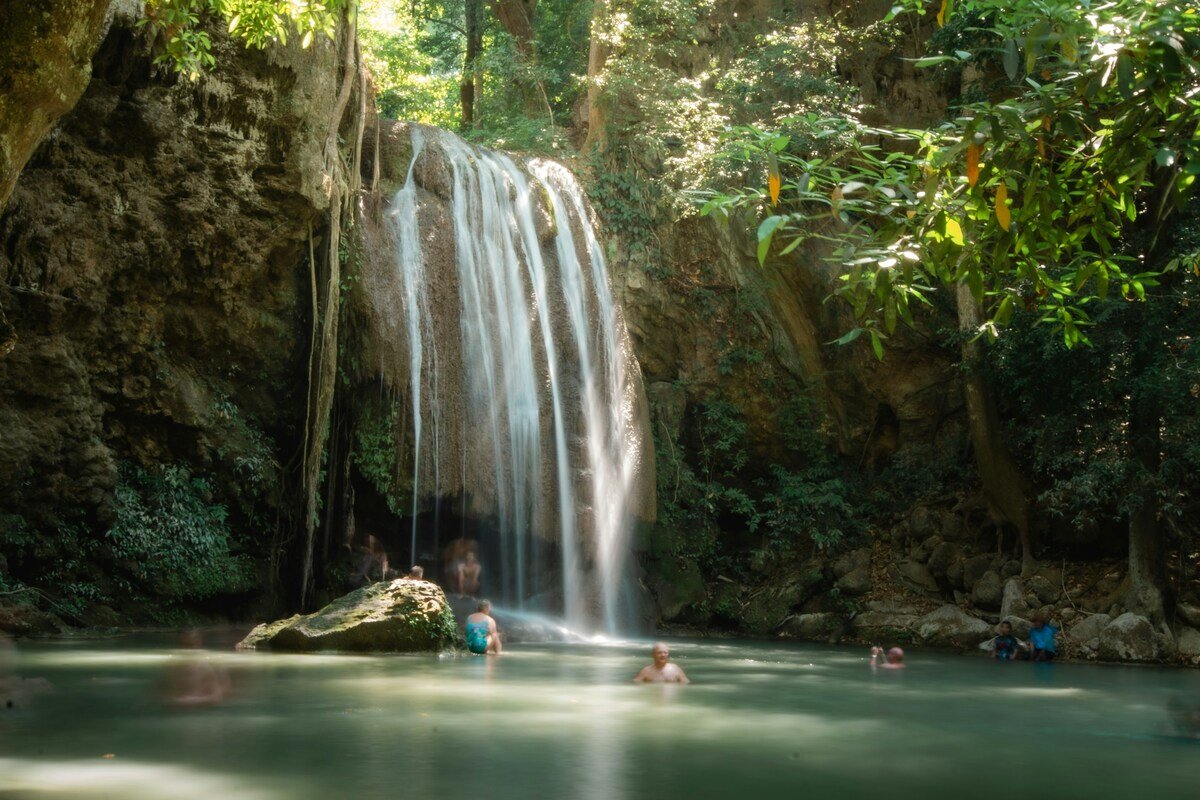
Thailand's third largest island sits in the eastern gulf, close to the Cambodian border, and feels like a different country to the Andaman islands. Koh Chang is dominated by thick rainforest that climbs steeply from the coast, with waterfalls hidden in the canopy and hiking trails winding through the interior.
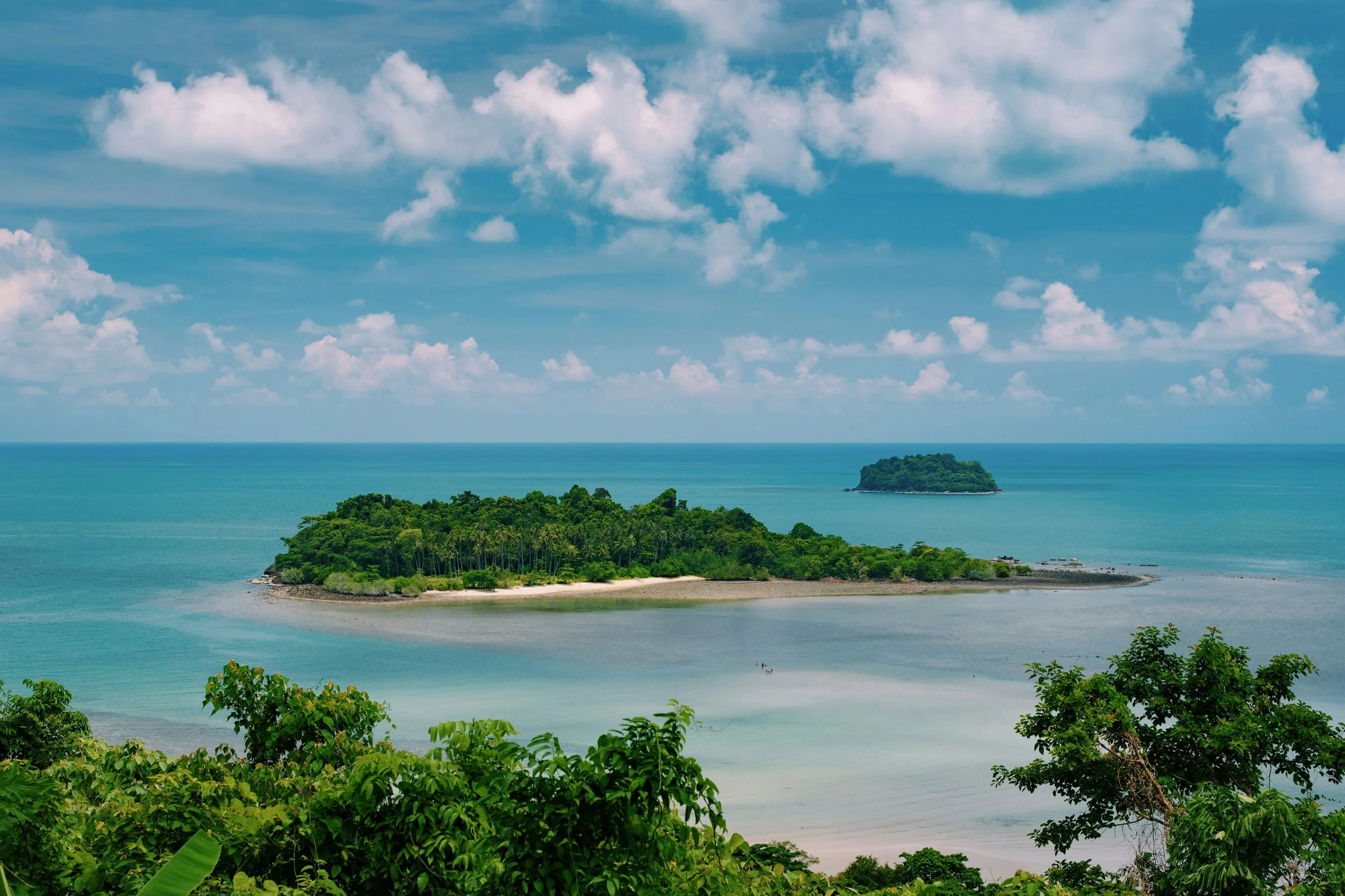
Skip the main west-coast beaches and head instead to Had Sai Noi, where the beach-bar scene is more laid-back. On the east coast, Salakkok Bay is a traditional fishing village that thankfully hasn't been rebuilt for tourists, where you can kayak through the magroves and eat seafood pulled straight from the water.
Also for dining, Kati Culinary in Klong Prao village is a favourite with locals and visitors: everything is made to order using homemade curry pastes. You can even learn to recreate dishes at home in their cooking school.
The luxury hotel scene on Koh Chang is still developing, which is part of the appeal for anyone looking for the last remnants of that desert island feeling.
Best of the rest
Thailand's island count runs well into the hundreds, and if you have time to hop about, consider these little gems: Koh Lipe, far south near the Malaysian border in Tarutao Marine Park, has some of prettiest beaches in Thailand, though getting there involves a flight, drive and ferry.
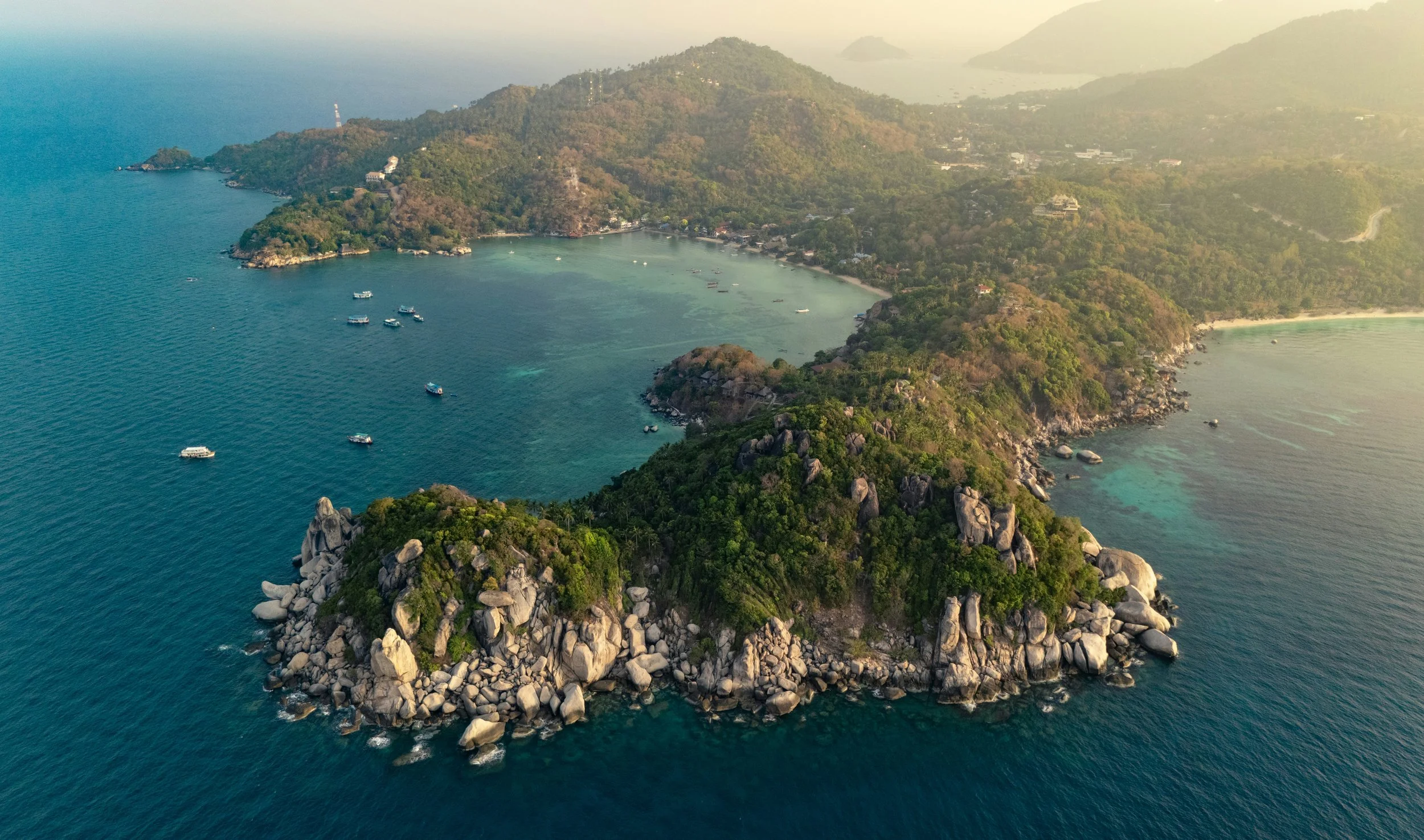
Koh Tao (pictured, above), a two-hour ferry from Samui, is Thailand's diving capital, with clear waters and an abundance of schools that make it one of the easiest places in the world to learn.