
The First-Timer's Guide to Bangkok
Temples, rooftop bars and the best street food in the world are only the start of what Thailand's capital has to offer.
Step out of arrivals at Suvarnabhumi and within minutes the car windows are fogged and the air is thick with the heat of this electric city. Like much of Southeast Asia, Bangkok is not somewhere that eases you in - but that’s what draws people back time and again.
Behind the traffic and the tower blocks are ancient temples peeking out from beside Michelin-starred restaurants, jam-packed markets that are a playground of produce, and a nightlife scene that runs from rooftop cocktail bars to plastic chairs on the pavement with a cold Singha. Here's how to make the most of your first visit.
The Temples
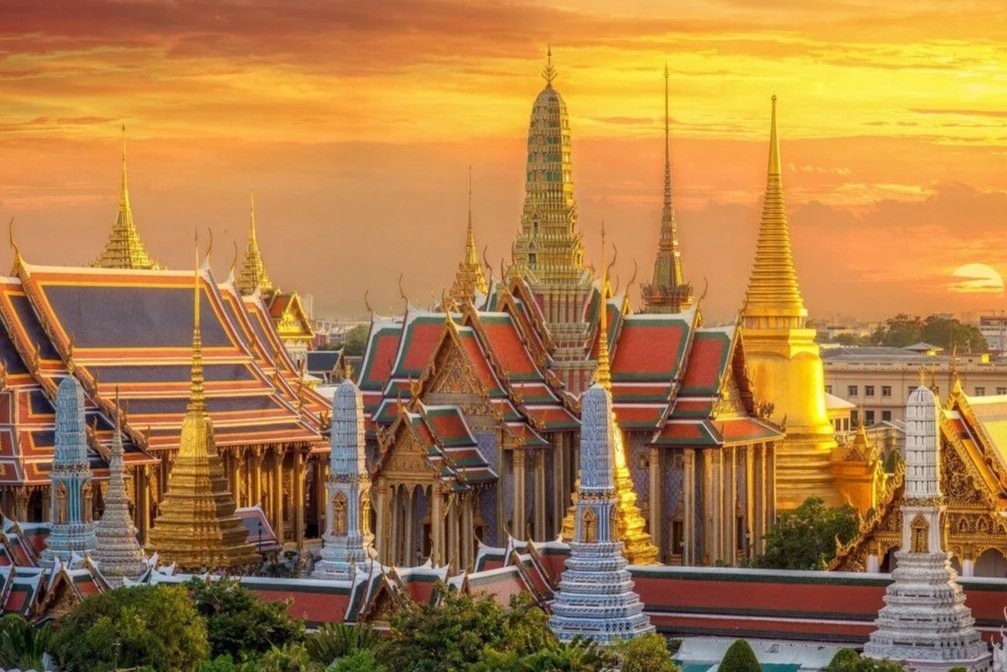
The Grand Palace and Wat Phra Kaew are non-negotiable for your first time in Bangkok. The complex covers more than 200,000 square metres and has been the symbolic heart of the Thai monarchy since 1782. Entry is ฿500 and a dress code applies: shoulders and knees should remain covered.
The crowds are thickest between 10am and 2pm, and given the experience of traipsing through the complex in the midday sun is far from pleasant, we’d suggest arriving after it opens at 8:30am.
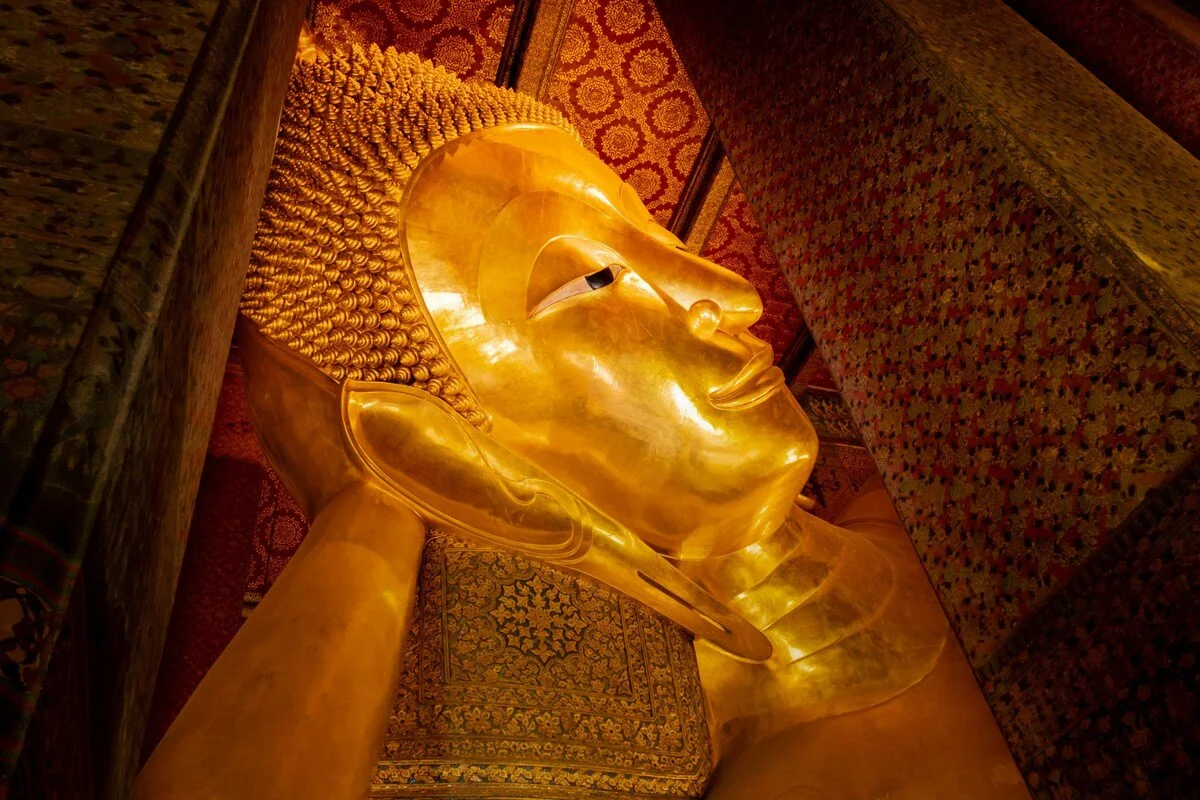
From the Grand Palace, Wat Pho is only a three-minute walk. The 46-metre Reclining Buddha is the most famous draw, but head past it into the quieter courtyards, where centuries-old stupas and intricate mosaics line the paths, and you'll find you have them mostly to yourself.
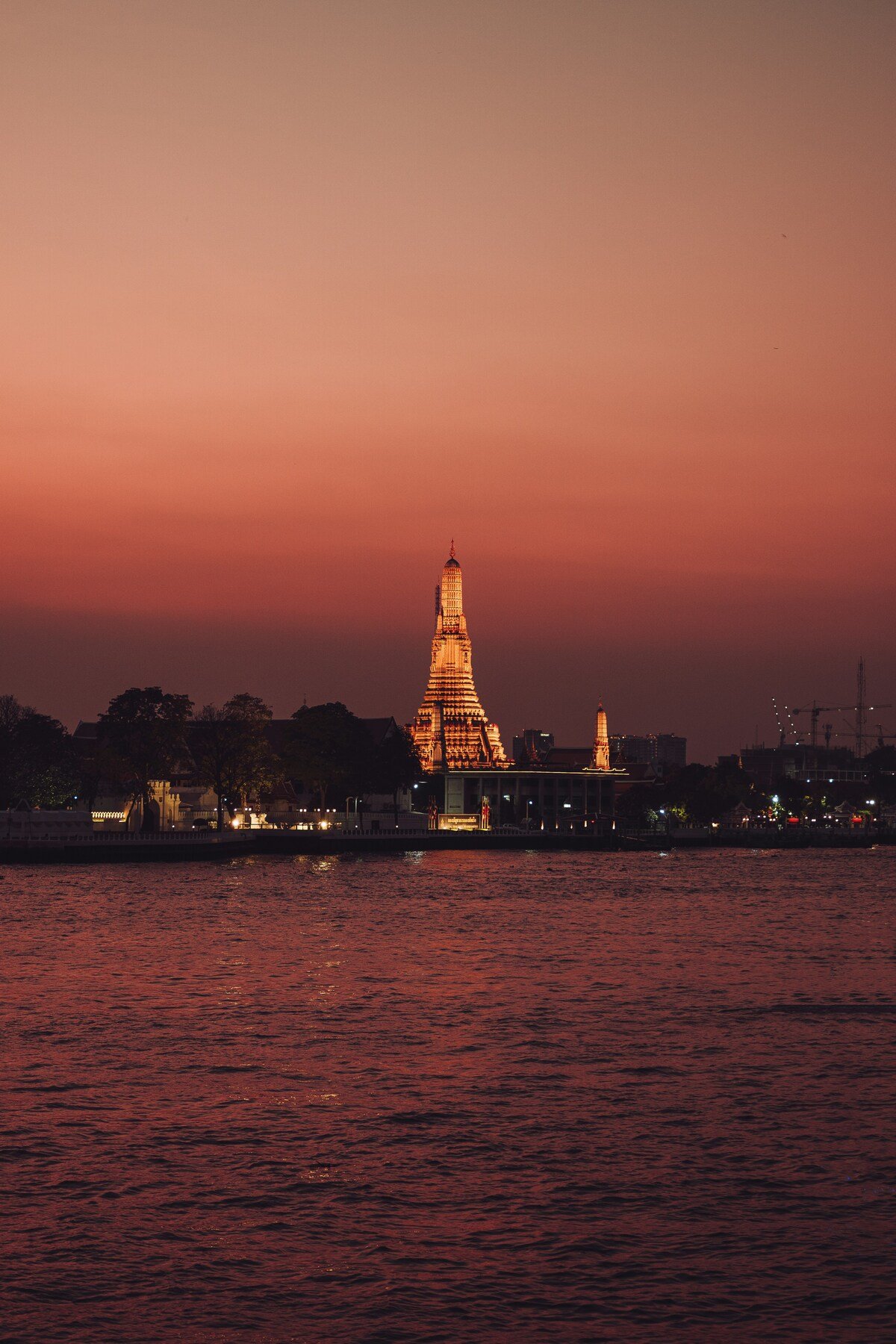
A short ferry ride across the river brings you to Wat Arun, the Temple of Dawn. Its 80-metre Khmer-style tower is covered in thousands of pieces of coloured Chinese porcelain that shift in colour depending on the time of day.
Early morning is best for visiting, but the most photographed view is from the opposite bank at sunset, when the tower glows orange against the river.
Life on the river
The Chao Phraya runs through the centre of Bangkok in more ways than one. Barges, express ferries, cargo vessels and private rides share the water from dawn until late, and the Chao Phraya Express Boat remains the cheapest and most enjoyable way to move between neighbourhoods, giving you a view of the city that’s incomparable to what you’ll see from a slow moving taxi.
Consider booking a private long-tail boat through the canals on the Thonburi side of the river. The tributary waterways are lined with houses, each with its own small boat at the front steps. Greengrocers and postmen move by water, and residents wash clothes at the canal's edge - it’s an easy way to get a glimpse into the local side of Bangkok.
Chinatown after dark
Yaowarat, Bangkok's Chinatown, is one of the best places to spend the evening. The neon signs flicker on, smoke rises from open grills and the streets fill with the smell of crispy pork, fish balls and rolled noodles.
It's one of the biggest Chinatowns in the world and nighttime is when it comes alive.
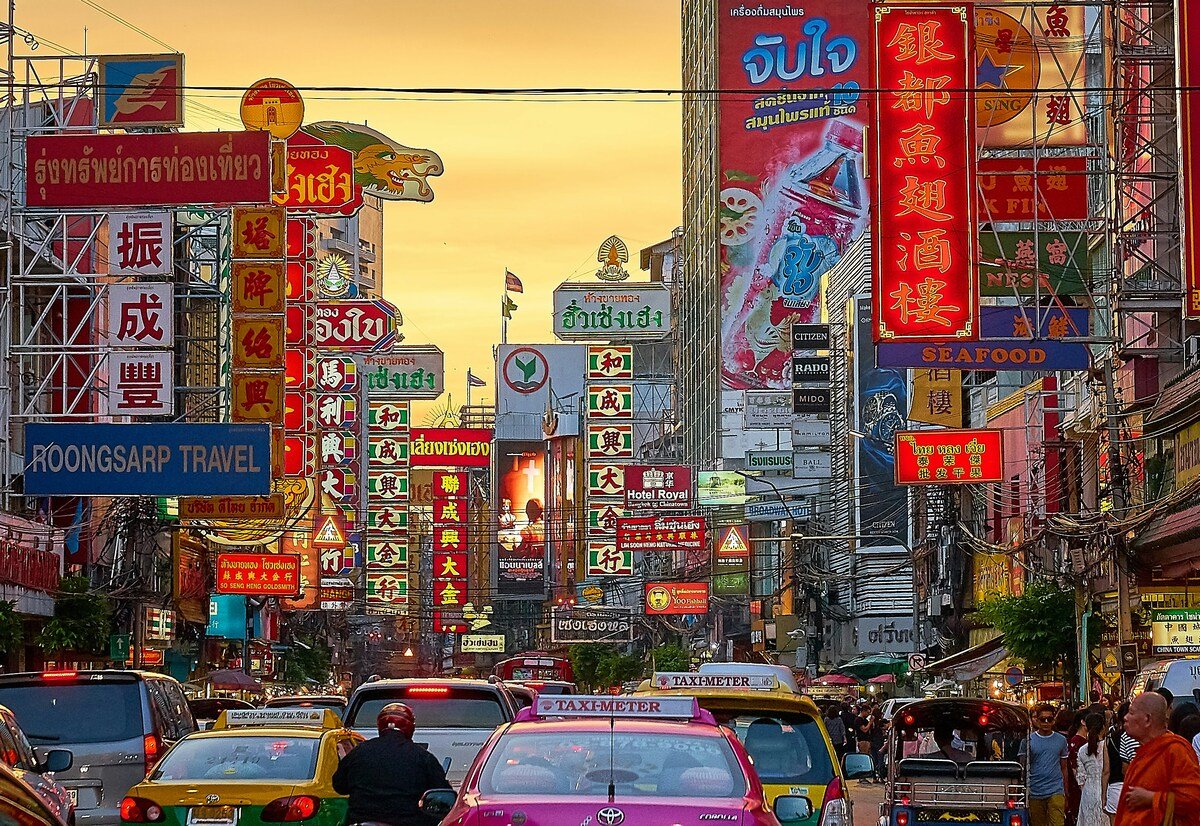
Before you eat, walk the short stretch of Soi Nana (the Chinatown one, not its Sukhumvit namesake), where a handful of low-key cocktail bars serve some of the most interesting drinks in the city at prices that would be unthinkable in London or Singapore. From there, the whole of Yaowarat Road opens up for street food.
Charoenkrung
If you only explore one neighbourhood beyond the usual circuit, make it Charoenkrung. Bangkok's oldest road has reinvented itself as the city's most creative quarter, with former warehouses and shipping offices now home to galleries, independent restaurants and design studios.
Warehouse 30, a cluster of repurposed industrial buildings, houses boutiques and creative spaces, and nearby Charoenkrung 43, has a growing collection of natural wine bars, vintage shops and cafes in revived shophouses. The whole area sits right on the riverfront, a short boat ride from the Grand Palace.
The markets
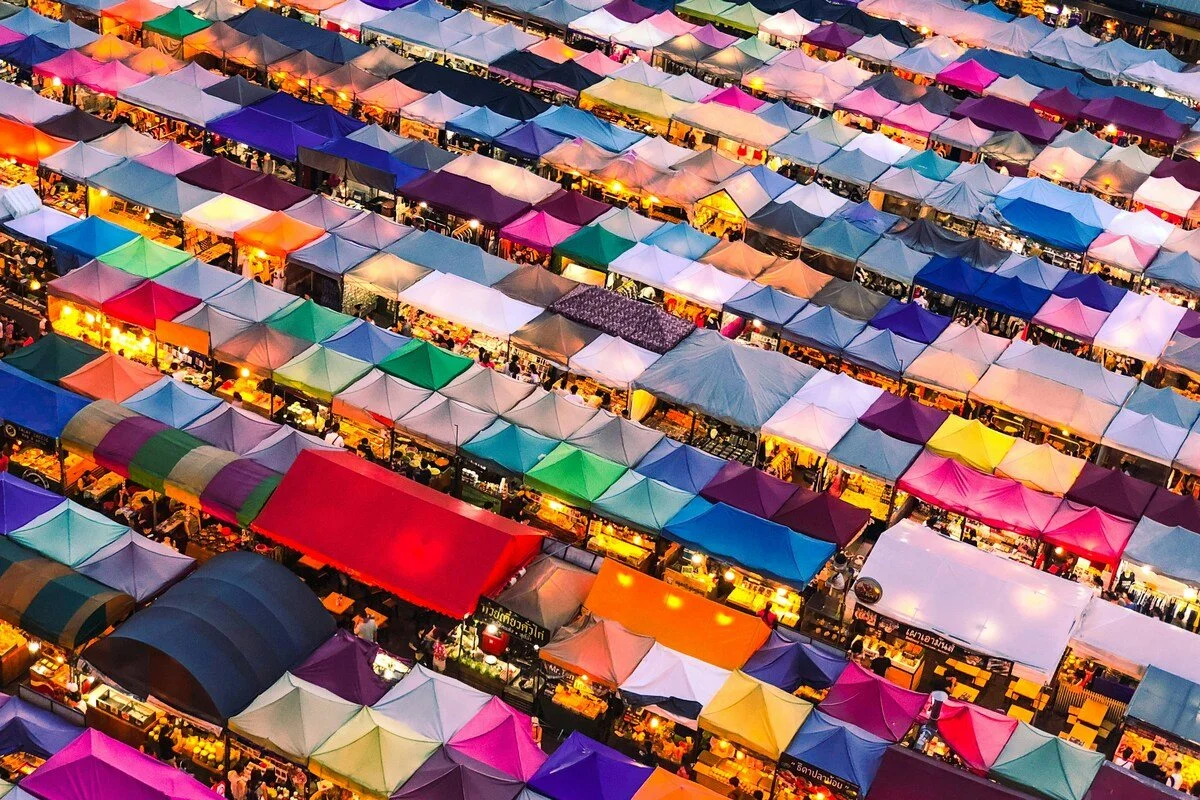
Chatuchak Weekend Market is a rite of passage, even though you’ll be jostling for space with other tourists. More than 15,000 stalls span everything from vintage denim and handmade ceramics to antique furniture and Thai street fashion.
It opens on Saturdays and Sundays only, and the earlier you arrive the better, as it’s truly a maze to manoeuvre.
Across the road, Or Tor Kor is a different experience - this produce market is where Bangkok's chefs shop. Come for the grilled pork, the mango sticky rice or just to browse the stalls of tropical fruit and freshly pressed coconut juice.
Where to stay
Bangkok's luxury hotel scene is one of the richest in Asia and there are too many beautiful properties to list.
The riverside is where the heritage properties are: Mandarin Oriental Bangkok, the city's original luxury hotel and celebrating its 150th anniversary this year, sits alongside Capella Bangkok, a Bill Bensley-designed retreat with private villas on the riverbank, and The Peninsula across the water on the Thonburi side.
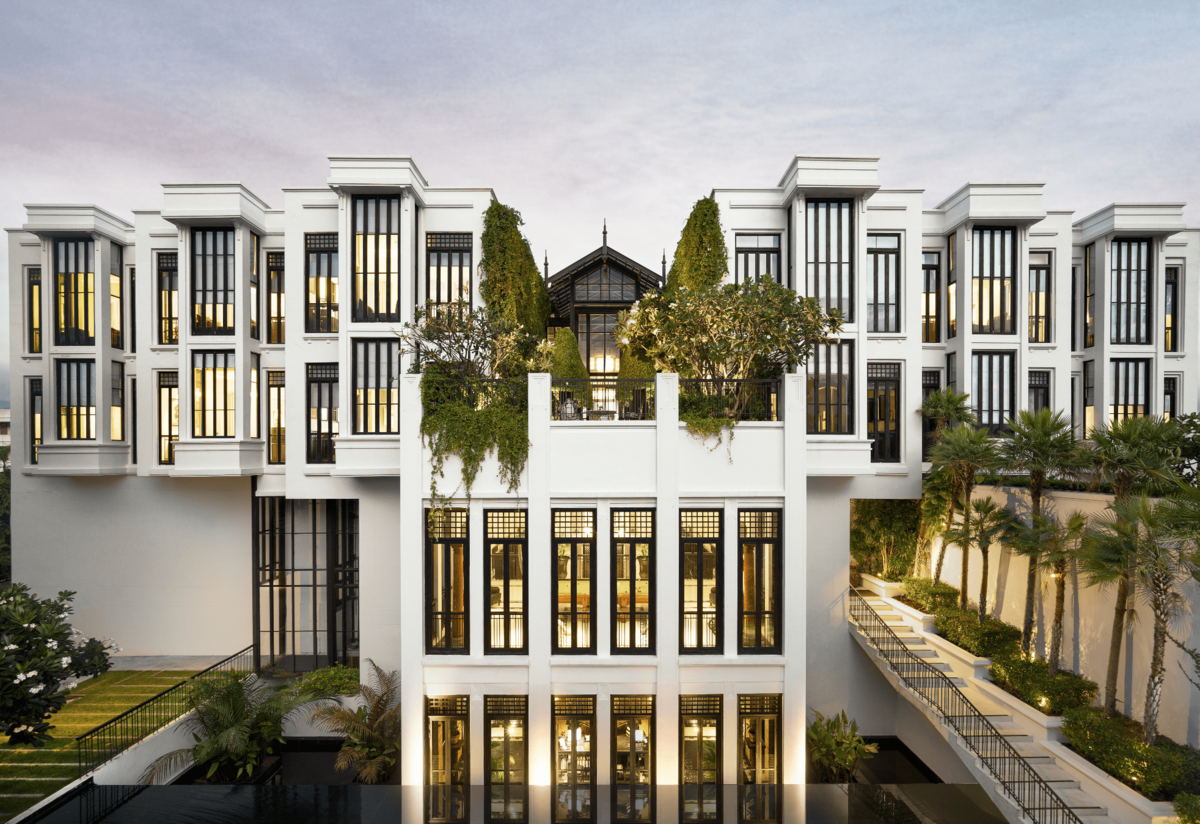
Alternatively, Aman Nai Lert opened in 2025 with just 52 suites tucked into a tropical garden near Lumphini Park, and The Siam (pictured), also by Bill Bensley, brings an art deco edge to the northern stretch of the river with a Muay Thai ring and curated antiques collection.
At ONE Bangkok, the Ritz-Carlton marks the brand's first Bangkok property and sits within the city's most ambitious new development.
Getting around
Bangkok's traffic is notorious and you don’t want to get stuck in it at the wrong time. Add 20 minutes to any taxi estimate and avoid road travel during rush hour wherever possible. The BTS Skytrain and MRT are fast and clean, while river boats are a practical and scenic option.
For anywhere else, Grab is the standard, and the fastest way through congestion if you're comfortable with two wheels, although be prepared for some drivers to be a little…hairbrained.
When to visit
November to February is the sweet spot: cooler, drier and the city is at its most comfortable - which in Bangkok terms, means you may not be drenched in sweat. March to May brings punishing heat.
June to October is monsoon season, which means short, dramatic downpours which usually clear quickly. Realistically, you’ll find something tempting in Bangkok year-round so we wouldn’t put too much pressure on the perfect season.